
Stay Safe, Stay Connected: The Critical Role of Communication When Flying Drones
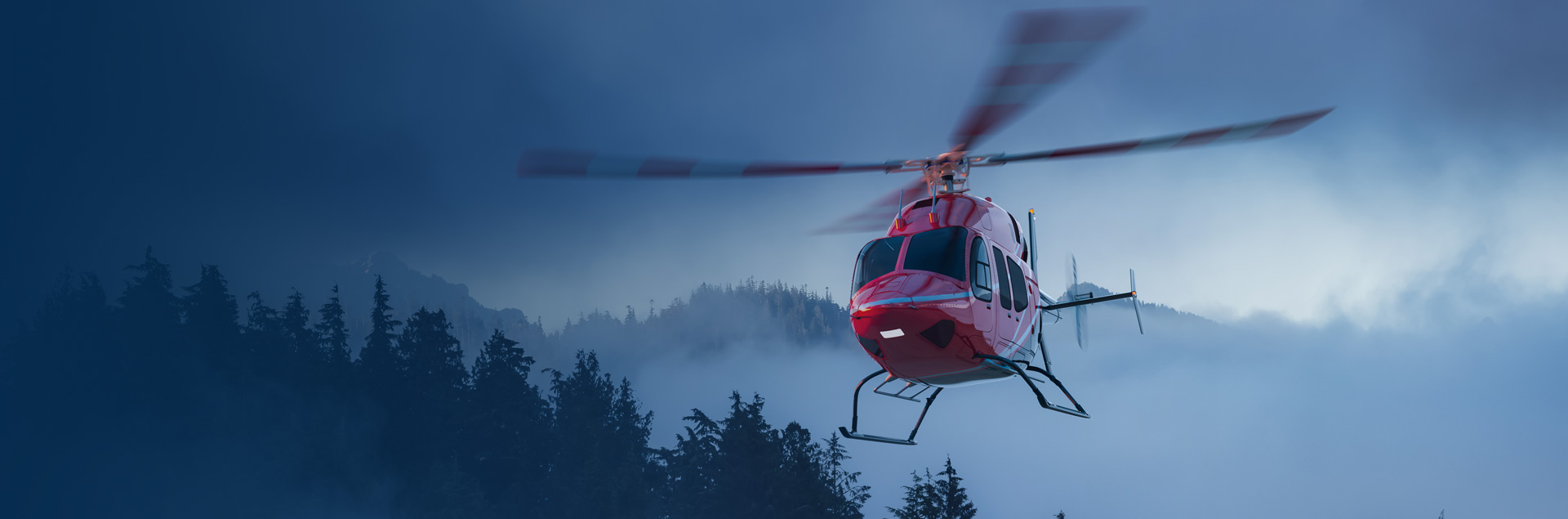
Drones, helicopters, and fixed-wing aircraft share our skies. While drones offer incredible capabilities for photography, surveying, and recreation, they can also pose risks if not operated responsibly. Medical response helicopters are often on critical missions to save lives, and their safe flight depends on clear skies free of unmanned aircraft.
Keep the skies safe, especially near hospitals, heliports, or airports. Each state may have specific procedures or designated call centers for drone notifications. Check with your local authorities or visit your state’s aviation or emergency management agency website for details.
Call your local or regional communications center before flying your drone. Provide your name, location, maximum altitude, flight duration, and a contact number. Doing so helps emergency responders stay aware of your activity, reducing the chance of interference or accidents during vital rescue efforts.
Knowing how to reach these dispatch centers ensures emergency services can manage the skies effectively during critical situations. You can contact your regional medical helicopter dispatch center or simply call your local 911—since emergency services coordinate with regional air ambulance providers. Use FAA-approved apps like Aloft or B4UFLY to identify nearby helipads and contact info.
While calling heliports and authorities is vital, always follow official procedures. Responsible flying protects everyone—including the life-saving crews in medical helicopters.
Critical Safety Rules:
- Yield to manned aircraft—immediately land if you see or hear a helicopter.
- Stay below 400 feet to comply with regulations.
- Check for Temporary Flight Restrictions (TFRs) using B4UFLY, especially near emergency scenes.
- For controlled airspace, obtain authorization via LAANC or FAA Drone Zone, not just by calling.
Register your drone with the FAA at https://www.faa.gov/uas/getting_started/register_drone to stay compliant and facilitate communication if needed.
Responsible drone flying isn’t just about following rules—it’s about protecting yourself, others, and the dedicated teams working to save lives. Always communicate before takeoff and fly responsibly. Together, we can keep our skies safe for everyone.
